
Bus transportation economics offers a comprehensive look into the operational, regulatory, and financial frameworks that underpin public and private bus operations. This field examines how buses contribute to urban mobility, environmental sustainability, and economic efficiency.
Economic verdict: To decide if this policy suits your investment strategy, consider its impact on urban mobility and sustainability.
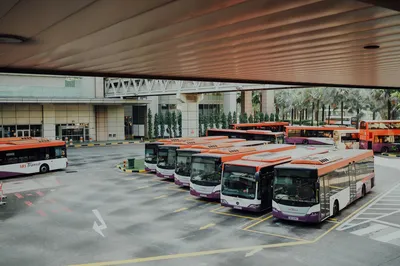
1. Economic Growth Drivers & Fiscal Levers
Understanding the economic growth drivers and fiscal levers in bus transportation is crucial for assessing its value in urban development. Investment in bus infrastructure can stimulate local economies by providing accessible transportation options, thus enhancing job opportunities and community connectivity.
Moreover, fiscal policies supporting bus transportation can lead to significant environmental benefits, aligning with sustainable economic development goals. Government subsidies and incentives for electric buses represent a forward-thinking approach to urban planning and environmental conservation.
2. Market Stability & Investment Flow
The stability of the bus transportation market is essential for attracting investment. A stable regulatory environment encourages private sector participation, diversifying the investment portfolio and fostering innovation in bus services and technologies.
This stability is underpinned by a robust monetary regulation framework, ensuring that investments are secure and that the market remains attractive to both local and international investors. Strategic partnerships between public and private entities can further enhance market stability and service quality.
3. Policy Recommendations
For bus transportation economics to positively impact urban mobility and economic efficiency, specific policy recommendations should be considered. These include investing in infrastructure, encouraging the use of environmentally friendly buses, and implementing policies that support the integration of bus services with other modes of public transport.
- Enhance public-private partnerships to leverage private sector innovation and efficiency.
- Adopt policies that encourage the use of electric and low-emission buses to support sustainable economic development.
- Invest in bus infrastructure to improve accessibility and reduce congestion.
- Implement fare policies that balance affordability with operational sustainability.
- Support the integration of bus services with other public transportation modes to optimize the value chain.
Leave a Reply