
Bus systems play a pivotal role in urban development and economic efficiency. They not only provide essential public transportation but also contribute significantly to local economies by creating jobs, reducing congestion, and promoting sustainable urban growth.
Economic verdict: Understanding the economic impact of bus systems is crucial for policymakers and urban planners.
1. Economic Growth Drivers & Fiscal Levers
Public bus systems are integral to fostering economic growth in urban areas. By providing affordable and accessible transportation, they enable workforce mobility, which is a key factor in enhancing productivity and economic dynamism. Moreover, the investment in bus infrastructure stimulates local economies through job creation in construction, operations, and maintenance.
Investment in bus systems is often seen as a fiscal lever that governments can pull to boost economic activity. The multiplier effect of such investments can lead to significant returns in terms of GDP growth and fiscal health. However, the effectiveness of these investments depends on strategic planning and execution.
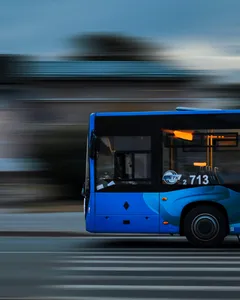
2. Market Stability & Investment Flow
Bus systems also contribute to market stability by providing a reliable means of transportation for consumers and workers alike. This reliability supports consistent economic activity and helps stabilize local markets. Furthermore, the presence of a robust bus system can attract investment, as businesses value the accessibility it provides to both employees and customers.
From a macroeconomic perspective, the stability provided by comprehensive public transportation systems, including buses, can mitigate the effects of economic downturns by maintaining employment and consumer spending. This is especially relevant in cities where buses are a primary mode of transportation.
3. Sustainable Economic Development
Sustainable economic development is increasingly becoming a priority for cities worldwide. Bus systems, particularly when they utilize clean energy sources, play a crucial role in achieving this goal. They reduce the reliance on private vehicles, thereby decreasing carbon emissions and pollution.
Furthermore, bus systems can be integrated into broader urban planning initiatives to promote sustainable living, such as bike-sharing programs and pedestrian-friendly zones. This integration enhances the overall quality of life in urban areas and supports long-term economic resilience.
Leave a Reply