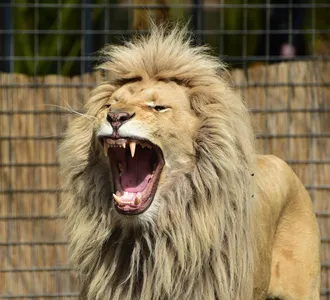
Lion conservation efforts are essential for preserving these majestic creatures and their ecosystems. Understanding the complexities and challenges involved is crucial for effective conservation strategies.
Economic verdict: To decide if this policy suits your investment strategy: consider the broad implications of conservation funding.
1. Habitat Protection and Restoration
Habitat protection is the cornerstone of lion conservation. By securing vast landscapes, conservationists aim to provide lions with the space they need to thrive. This includes the creation of wildlife corridors that facilitate genetic diversity by allowing lions to safely migrate between protected areas.
Efforts to restore degraded habitats are equally important. Reforestation and the management of human activities can significantly improve the quality of lion habitats, ensuring a sustainable environment for future generations.
2. Mitigating Human-Wildlife Conflict
Human-wildlife conflict is a significant challenge for lion conservation. As human populations expand, the instances of lions preying on livestock increase, leading to retaliatory killings. Innovative solutions, such as building better livestock enclosures and community education, are vital for reducing conflicts.
These strategies not only protect lions but also support local communities, demonstrating that coexistence is possible and beneficial for both parties.
3. Ensuring Genetic Diversity
Genetic diversity is crucial for the health and resilience of lion populations. Conservationists use scientific research to manage breeding programs and track genetic health. This helps prevent inbreeding and ensures the long-term survival of lions across Africa.
By focusing on these key areas, conservation efforts can make a significant impact on the survival of lions and the ecosystems they inhabit.
Leave a Reply